What Kamloops Taxpayers Should Know About BC’s Deficit and Local Borrowing
Kamloops is planning major investments while BC faces a record-breaking $11.6 billion deficit and revised population forecasts that challenge the city’s long-term growth assumptions.
Provincial debt is expected to hit $213 billion in under three years, with $1.5 billion in spending cuts planned over three years. Reduced transfers to municipalities could affect infrastructure, housing, and public services.
TRU has seen a 26% drop in international student enrolment, with a projected $25–30 million deficit by 2027–28—impacting local businesses and community programs.
The City of Kamloops has approved the borrowing of $275 million for a Performing Arts Centre and sports Multiplex. It now proposes $190 million more, including $150 million for a new RCMP detachment.
While the RCMP station is legally required, KCU believes this project needs clearer planning. As well, a new downtown fire hall is being considered, to meet the demands of response times to high-rises like the Kelson Group’s City Gardens. (Castanet, Sept 16, 2025).
A $465 million loan burden marks an unprecedented level of spending for our municipality.
The City of Kamloops’ 2024 Housing Needs Report applied a 1.5% annual growth rate to project a population of 140,281 by 2044. BC Stats forecasts 127,301 by 2045. The City’s draft 2025 Official Community Plan now offers a figure of 134,000 by 2045, based on a revised 1.3% annual growth rate (Castanet, Sept 16, 2025). A 0.2% difference in growth rate equates to a difference of 6,000 residents.
These conflicting projections raise questions about which growth model City Hall is using to justify its borrowing plans. KCU believes this new forecast requires a reassessment of the scale, timing, and necessity of all current major capital projects.
The city’s 2024 financial statement shows $301.43 million in revenue and $9.2 million in debt servicing. If borrowing proceeds, annual payments could exceed $30 million, pushing the debt servicing ratio to 13–15%—above the recommended 10% threshold.
If the loans move ahead while the city’s financial cushion shrinks, taxpayers could face higher property taxes and cuts to essential services—leaving basic needs overshadowed by costly capital projects.
KCU believes the public deserves a clear cost-benefit analysis—not vague reassurances from local government.
Our community is growing, but growth must be matched with realistic planning and fiscal restraint. With provincial cuts, TRU’s financial strain, and population forecasts revised downward, every borrowed dollar must serve future residents—not overburden them.
Kamloops is at a crossroads, and we must act to ensure it doesn’t become a city that’s overbuilt, overborrowed, and underpopulated. Residents deserve transparency, rather than blind optimism.
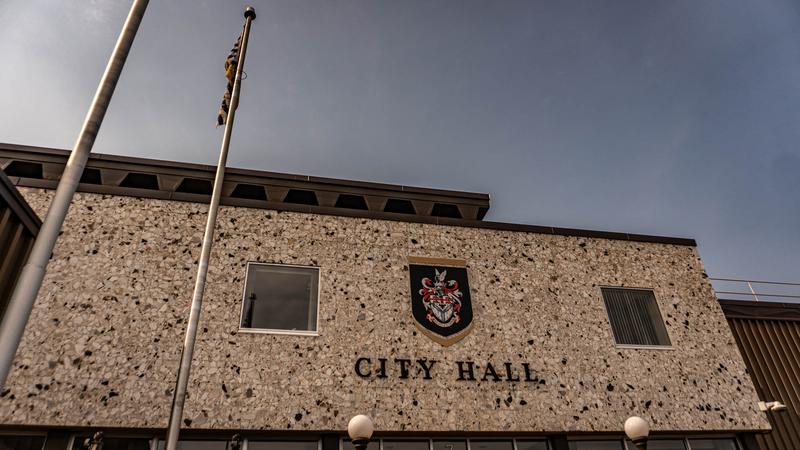
If City Hall won’t hit pause responsibly, residents must demand it.
What You Can Do:
The City is again using the Alternative Approval Process (AAP) for upcoming projects. If fewer than 10% of eligible voters object, the borrowing will go ahead.
If you’re concerned about the financial impact:
- Submit an elector response form before the AAP deadline. It doesn’t mean you oppose the projects—it means you want better planning and budgets. Bankers don’t approve loans without business plans and forecasts—and neither should taxpayers.
- Attend city council meetings.
- Email citycouncil@kamloops.ca with your thoughts or questions. Like the AAP reverse-voting process, if you don’t speak up, your silence equals consent.







0 Comments